“Coffee bean picking and coffee bean production” search results (2000)

The birth process of boutique coffee (Blue Mountain Coffee)
A good cup of coffee comes from small coffee beans, after a long time and many elaborate craftsmanship, and integrated into the efforts of countless people to achieve, it can be said that cups are not easy to come by. There are seven decisive factors for the quality of a cup of coffee. The first three depend on the variety of the farmer who grows the coffee beans, the origin of the coffee, and the method of growing the coffee, which is called determining the quality of the coffee.
2014-07-02 Boutique coffee blue mountain coffee production process boutique coffee beans
Taste of Jamaican Coffee Flavor Manor area introduces Jamaican boutique coffee beans
The secret of why Blue Mountain coffee tastes pure: their coffee trees are all grown on rugged hillsides, and the picking process is so difficult that non-local skilled female workers are simply unable to do it. It is very important to choose the right ripe coffee beans when picking. Immaturity or ripeness will affect the quality of the coffee. The picked coffee beans are shelled on the same day, and then let them ferment for 1218 hours.
2016-07-21 Jamaica coffee flavor taste manor producing area introduction boutique coffee beans
Vietnam Coffee producing areas Coffee varieties Coffee picking methods Coffee beans in three major producing areas two major species introduction
Vietnam Coffee Flavor description Vietnam (Vietnam) well-known representative coffee: Vietnam coffee Vietnam is also one of the top coffee producers in the world. At present, the vast majority of coffee trees in Vietnam are Robusta, because the leaf rust in the middle of the 19th century destroyed the Arabica coffee trees in Vietnam, and all of them were resistant to leaf rust.
2016-10-20 Vietnam coffee producing area flavor taste variety picking way coffee beans three major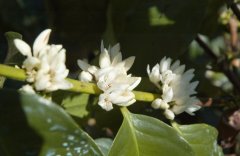
Where does the real caffeine aroma of black coffee come from?
In a coffee obsession like mine, there is no smell comparable to the smell in the coffee field during the flowering period. The first flowering period of the coffee tree is about three years. The white flowers are five-petal tube-shaped flowers, with a faint fragrance of jasmine, and the inflorescences are arranged in dense clusters. It will wither after two or three days of flowering and begin to bear fruit after a few months. In Yunnan, this is the right time.
2015-10-14 Coffee single product real fragrance in the end Lilai
Costa Rican Yerzaro Coffee Flavor description introduction of fine coffee beans in the producing area
In the six general elections from 1953 to 1978, the National Liberation Party won four times. During its administration, the party emphasized state intervention in the economy, nationalization of some industries, increased import taxes to protect national industries, forced United fruit companies to increase income tax, strengthened relations with other Latin American countries and Western Europe, changed the situation of relying solely on the United States, joined the Central American Common Market in 1963, and became a member of the Central American Common Market for 70 years.
2016-09-23 Costa Rica Yelsa Luo Coffee Coffee Flavor description producing area characteristics essence
Coffee bean storage method coffee bean processing process coffee bean picking process
1. Raw beans: the raw coffee beans before stir-frying are only for the convenience of transshipment, without special packaging conditions, depending on the differences of each production area, out of economic and practical considerations, generally use 60 kg gunny bags for packaging, and then further processing after arriving at the destination. Of course, there will be some different packaging, such as Jamaica Blue Mountain is packed in 70kg wooden barrels. 2. Cooked beans:
2016-05-25 Coffee beans storage methods raw beans processing process picking stir-frying coffee
Introduction of Costa Rican coffee boutique coffee beans with unique strong flavor
All the coffee trees planted in Costa Rica are Arabica coffee trees. through improvement, the quality of coffee beans is better and more stable. in order to facilitate picking, coffee trees are kept at a height of about 2 meters through continuous pruning. The coffee that people eat is the taste of the seeds in the fruit that are brewed in water. After picking raw coffee beans, the peel, pulp, seed film and sun exposure must be removed.
2016-07-18 Fragrance unique strong Costa Rica coffee boutique coffee beans introduction Goss
Geography and climate of coffee bean production process in Rwanda
Production process editors Coffee fruits the maximum harvest season for Rwandan coffee is during the main rainy season in the area, from March to the end of May. During the harvest season, farmers spend most of their day picking coffee fruits by hand. In the afternoon, farmers carry coffee fruits in traditional baskets made of banana leaves to a cleaning station a few hours away. The mechanic will do it by hand.
2016-05-31 Rwanda coffee beans production process geography climate editing coffee
Yega Sheffield Coffee Flavor Coffee Flavor Manor production area introduces the sun Yega Chuefei
Coffee is Ethiopia's most important export cash crop and the main source of Ethiopia's foreign exchange earnings. Ethiopia's coffee exports account for about 3% of the world market, making it the eighth largest coffee exporter in the world. Coffee exports increased steadily from 58000 tons in 1990 to 110000 tons in 1995-1996 and remained at this level in the following years. 2001-2002
2016-08-29 Yega Sheffield Wauka Coffee Flavor Taste Manor producing area introduction Solar
The production process and methods of coffee in Rwanda introduce the characteristics of fine coffee
After the washed coffee beans are air-dried on the net rack, after washing the coffee beans many times to completely remove the remaining skin and sugary outer layer, the coffee beans are put into the sheltered rack to air-dry. Cooperative staff regularly flip coffee beans, while technicians continue to look for and pick out poor quality coffee beans. The two-week drying process takes place in the sun (preparing mulch in case of rain), but not
2016-06-23 Rwanda coffee production process and its methods introduction boutique characteristics cleaning
Sun Sidamo Coffee producing area Manor introduces the processing methods and methods of fine coffee
The overall experience of this sun Sidamo is more suitable for those who like Ethiopian coffee but do not like the acidity, and it is also suitable for independent cafes. Ethiopia Sidamo Sidamo Coffee introduces Ethiopia as the birthplace of Arabica coffee. Wild Arabica grows in the forests of Ethiopia's Kaffa region. The history of Ethiopian coffee drinking is better than that of Ethiopians
2016-07-06 Solarization Dharma Coffee production area Manor introduction Fine goods treatment methods
The birth process of boutique coffee
A good cup of coffee comes from small coffee beans, after a long time and many elaborate craftsmanship, and integrated into the efforts of countless people to achieve, it can be said that cups are not easy to come by. There are seven decisive factors for the quality of a cup of coffee. The first three depend on the variety of the farmer who grows the coffee beans, the origin of the coffee, and the method of growing the coffee, which is called determining the quality of the coffee.
2015-06-04 Boutique coffee birth process
What are defective beans? how to calculate defective beans?
High-quality coffee beans are refined by water treatment. The coffee beans with less impurities can be obtained by the water washing method, but if the water quality and time are not properly controlled during the fermentation process, the coffee beans will easily be infected with the sour taste of excessive fermentation. and dry beans also need to pay attention to timely re-inspection to prevent coffee beans from being contaminated by wet ground and sundries. Processed
2016-06-03 Flaws yes what how?
Costa Rican Coffee producing country introduces Costa Rican Coffee Manor producing area
All the coffee trees planted in Costa Rica are Arabica coffee trees. through improvement, the quality of coffee beans is better and more stable. in order to facilitate picking, coffee trees are kept at a height of about 2 meters through continuous pruning. The coffee that people eat is the taste of the seeds in the fruit that are brewed in water. After picking raw coffee beans, the peel, pulp, seed film and sun exposure must be removed.
2016-07-11 Granule full Costa Rica Coffee country of production introduction Manor producing area Costa
The production process of Rwandan coffee beans how is high-quality Rwandan coffee produced? Rwanda
The biggest harvest season for Rwandan coffee is during the main rainy season, from March to the end of May. During the harvest season, farmers spend most of their day picking coffee fruits by hand. In the afternoon, farmers carry coffee fruits in traditional baskets made of banana leaves to a cleaning station a few hours away. The mechanic uses his hands to make the best quality coffee with crimson color.
2016-03-18 Rwanda coffee beans production process quality coffee how production Luwang
Blue Mountain Coffee is a coffee maker.
A good cup of coffee comes from a small coffee bean, which has experienced a long time and many elaborate crafts, and has been integrated into the efforts of countless people. It can be said that cups are hard to come by. There are seven decisive factors for the quality of a cup of coffee. The first three depend on the farmer who grows the beans, the type of coffee tree, where the coffee is grown, and how it is grown.
2014-11-12 Coffee Knowledge Boutique Coffee Coffee At the Time Blue Mountain Coffee
Sour, bitter and Kale Mountain Coffee Flavor description, Grinding degree, characteristics of Fine Coffee
The secret of why Blue Mountain coffee tastes pure: their coffee trees are all grown on rugged hillsides, and the picking process is so difficult that non-local skilled female workers are simply unable to do it. It is very important to choose the right ripe coffee beans when picking. Immaturity or ripeness will affect the quality of the coffee. The picked coffee beans are shelled on the same day, and then let them ferment for 1218 hours.
2016-10-07 Blue Mountain Coffee Flavor description Grinding Variety characteristics Fine products introduction
The birth process of Blue Mountain Coffee
A good cup of coffee comes from small coffee beans, after a long time and many elaborate craftsmanship, and integrated into the efforts of countless people to achieve, it can be said that cups are not easy to come by. There are seven decisive factors for the quality of a cup of coffee. The first three depend on the variety of the farmer who grows the coffee beans, the origin of the coffee, and the method of growing the coffee, which is called determining the quality of the coffee.
2014-11-21 Coffee knowledge Blue Mountain Coffee Fine Coffee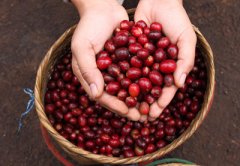
Introduction to boutique coffee beans-- A brief introduction to Blue Mountain Coffee
There are seven sexual identities for the quality of a cup of coffee. The first three depend on the variety of farmers who grow coffee beans, the origin of coffee, and the way they grow coffee, which is called the basis for determining the quality of coffee; the fourth identity depends on the picker. So far, we can also improve the quality and taste of coffee. After that, we can only connect or damage the quality of the coffee.
2016-03-24 Boutique coffee beans introduction Blue Mountain coffee history
Coffee training-what is hand-picked beans
Hand selection: is the step of removing impurities and bad beans attached to delicious coffee beans. Coffee beans are often mixed with foreign bodies, such as stones, sawdust, pieces of metal, grains of soil, fruit of trees, and sometimes coins and glass.
2014-05-16 Coffee knowledge coffee beans coffee training